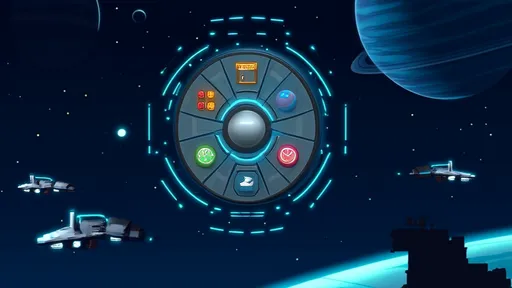
In an era where digital nostalgia is at an all-time high, a quiet revolution is taking place in the world of gaming emulation. For decades, retro enthusiasts have relied on emulators to relive the magic of classic titles, but these experiences were largely confined to single-player or local multiplayer setups. Now, with the advent of sophisticated networking capabilities integrated into modern emulators, beloved games from the past are being reborn with fully functional online multiplayer modes. This technological leap is not just a novelty—it is fundamentally reshaping how we preserve, experience, and connect through vintage gaming.
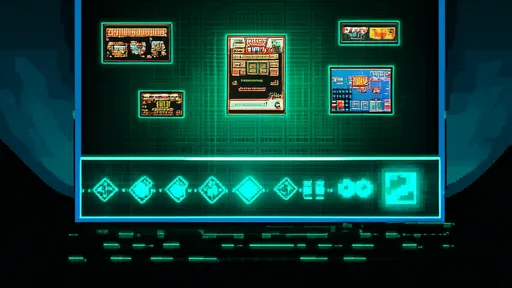
The concept of emulator-based online play isn't entirely new, but recent advancements have made it more accessible and stable than ever before. Emulators for systems like the Nintendo 64, Sega Genesis, and even arcade platforms now support low-latency netcode that allows players from across the globe to compete or cooperate as if they were in the same room. Projects such as Project64k and RetroArch have pioneered these features, using peer-to-peer connections or dedicated servers to synchronize game states in real time. The technical challenges are significant—emulators must ensure perfect timing and input synchronization to avoid desyncs, which can break the immersion—but the results are nothing short of miraculous for fans of retro gaming.
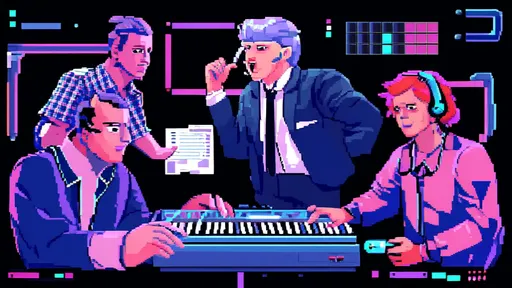
What makes this development particularly exciting is its impact on gaming preservation and community building. Many classic multiplayer games, from Mario Kart 64 to Streets of Rage 2, were designed for couch co-op or versus modes, limiting their reach in today's interconnected world. By enabling online play, emulators are breathing new life into these titles, allowing a new generation of players to experience them as intended, but without geographical constraints. Online communities have sprung up around these modded experiences, organizing tournaments, sharing custom mods, and even documenting previously undiscovered glitches or strategies. This has turned what was once a solitary or locally social activity into a vibrant, global phenomenon.
However, this innovation does not come without controversy. Legal and ethical questions surround the use of emulators, particularly when it comes to distributing copyrighted game ROMs. While emulators themselves are often legal, acquiring games without owning the original copies violates intellectual property laws in many regions. Developers and publishers have mixed reactions; some, like Nintendo, fiercely protect their IPs, while others tacitly acknowledge the preservation efforts. The online multiplayer feature adds another layer of complexity, as it potentially extends the lifespan of games beyond their official servers or re-releases. Nonetheless, many advocates argue that emulators fill a void left by companies that have abandoned support for older titles, ensuring that cultural artifacts are not lost to time.
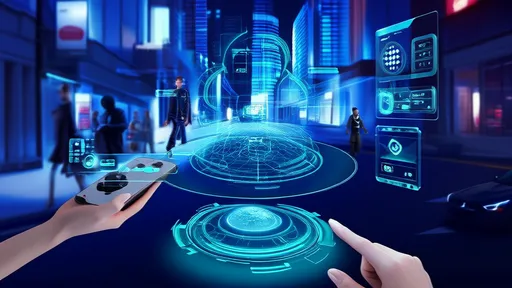
Looking ahead, the future of emulator-based online play seems bright. With improvements in rollback netcode—a technique that minimizes latency by predicting inputs and correcting errors—the experience is becoming smoother and more competitive. Cloud-based solutions are also emerging, allowing players to connect without complex setups. Moreover, as retro gaming continues to gain mainstream traction, we may see more official collaborations or even licensed products that embrace these community-driven innovations. For now, though, the emulator scene remains a testament to the passion and ingenuity of gamers who refuse to let the past fade away.
In conclusion, the integration of online multiplayer into classic game emulators is more than a technical feat; it is a cultural bridge between eras. It allows veterans to revisit cherished memories with friends old and new, while introducing timeless classics to audiences who might otherwise never experience them. As technology evolves, so too will the possibilities for preserving and enhancing our digital heritage, ensuring that the pixels and polygons of yesteryear continue to inspire joy and connection for years to come.
By /Aug 26, 2025

By /Aug 26, 2025

By /Aug 26, 2025
By /Aug 26, 2025
By /Aug 26, 2025

By /Aug 26, 2025
By /Aug 26, 2025

By /Aug 26, 2025
By /Aug 26, 2025

By /Aug 26, 2025
By /Aug 26, 2025
By /Aug 26, 2025

By /Aug 26, 2025
By /Aug 26, 2025

By /Aug 26, 2025
By /Aug 26, 2025
By /Aug 26, 2025
By /Aug 26, 2025
By /Aug 26, 2025

By /Aug 26, 2025
