In the ever-evolving landscape of creative industries, the concept of a "spiritual successor" has emerged as a fascinating and contentious phenomenon. These works, which evoke the essence, style, or thematic core of a beloved predecessor without direct legal ties, straddle a delicate line between heartfelt homage and intellectual property infringement. As creators increasingly look to the past for inspiration, the legal boundaries governing such projects have become a subject of intense debate among developers, filmmakers, writers, and legal experts alike.
The term itself suggests an almost metaphysical connection—a passing of the creative torch rather than a contractual obligation. Spiritual successors often arise when original creators are unable or unwilling to continue a franchise, yet feel compelled to explore similar ideas through new characters, settings, or narratives. This practice allows for innovation within familiar frameworks, satisfying audience cravings for more of what they love while permitting artists to evolve beyond previous constraints. However, this very ambiguity creates a legal gray area where copyright, trademark, and fair use doctrines intersect in complex ways.
Copyright law primarily protects the concrete expression of ideas rather than the ideas themselves. This distinction becomes crucial when examining spiritual successors. A new game might replicate the gameplay mechanics, artistic style, or narrative structure of an earlier work without directly copying characters, code, or assets. Similarly, a film might echo the thematic concerns and visual language of a classic without reproducing specific scenes or dialogue. In such cases, determining infringement requires careful analysis of whether the new work appropriates protected elements or merely draws from the same well of inspiration.
Trademark law presents another layer of complexity. While copyright protects creative content, trademarks safeguard brand identity and prevent consumer confusion. A spiritual successor that too closely mimics the name, logo, or distinctive branding of its inspiration might face legal challenges even if its content is sufficiently original. Courts often consider whether an average consumer would mistakenly believe the new work is officially associated with the original, potentially diluting the established brand's value or reputation.
The doctrine of fair use provides some flexibility, allowing limited use of copyrighted material for purposes such as commentary, parody, or transformation. However, spiritual successors rarely qualify as parody—which requires criticism or humor—and transformation is subjective. A work must add something new, with a different purpose or character, altering the original with new expression, meaning, or message. This standard leaves much room for interpretation, making outcomes difficult to predict without litigation.
Legal history offers few clear precedents specifically addressing spiritual successors, forcing courts to analogize from related cases. Some rulings have favored creators when the new work demonstrated significant innovation or served a different market niche. Others have found infringement when similarities extended beyond general concepts into specific, protectable expression. The lack of consistent guidelines means that many spiritual successors exist in a precarious state, potentially one cease-and-desist letter away from oblivion.
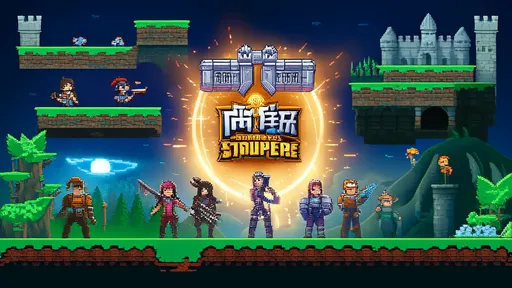
Industry norms and community attitudes also play an informal regulatory role. In gaming, for instance, successful spiritual successors like Bloodstained: Ritual of the Night (inspired by Castlevania) or Pillars of Eternity (evoking Baldur's Gate) were developed by original creators with strong fan support, arguably granting them moral if not legal legitimacy. Conversely, projects perceived as cynical imitations often face backlash regardless of legal standing. This court of public opinion can influence whether rights holders pursue action, as aggressive litigation might damage consumer goodwill.
The digital age has further complicated matters. Crowdfunding platforms allow developers to gauge interest and secure funding for spiritual successors before production, essentially testing legal boundaries in public view. Meanwhile, social media enables rapid mobilization of fan campaigns that can pressure rights holders into tolerance or even official endorsement. These dynamics create an environment where legal risks are weighed against potential rewards and community sentiment.
International differences in intellectual property law add another dimension. The United States' fair use doctrine is notably more permissive than the European Union's fair dealing exceptions, meaning a spiritual successor might be lawful in one jurisdiction while infringing in another. Global distribution of digital media forces creators to consider the strictest standards, often leading to cautious self-censorship even when legal protections might exist in their home countries.
For creators contemplating a spiritual successor, legal advice is essential but not foolproof. Lawyers can identify obvious red flags but cannot guarantee immunity from lawsuits, which remain expensive regardless of merit. Many recommend erring on the side of caution—altering names, avoiding distinctive visual elements, and ensuring substantive innovation—while others advocate for pushing boundaries to establish new precedents. This calculated risk-taking has become part of the creative process itself.
Ultimately, the phenomenon of spiritual successors highlights tensions inherent in intellectual property systems designed to balance incentive and access. While protection encourages innovation by ensuring creators benefit from their work, overly broad rights can stifle the cultural conversation that drives art forward. Spiritual successors, when done respectfully and creatively, enrich this dialogue by building upon shared cultural touchstones without merely replicating them.
As media continues to evolve and audiences grow increasingly nostalgic, the prevalence of spiritual successors will likely increase. This trend may eventually force courts to develop more nuanced frameworks for evaluating these works, potentially recognizing them as a legitimate form of creative expression. Until then, creators will continue navigating this ambiguous terrain, hoping their homages are received as intended rather than litigated as theft.
The future might see more formalized approaches, such as licensing agreements that allow for spiritual successors within certain parameters, or industry-wide standards defining acceptable practices. Some rights holders have embraced this model, officially endorsing spiritual successors that maintain brand value while expanding creative possibilities. Such collaborations suggest a path forward that honors both legal protections and artistic freedom.
In the end, the story of spiritual successors is fundamentally about creativity itself—how artists build upon the past, how communities sustain beloved worlds, and how legal systems adapt to new forms of inspiration. As long as creators feel compelled to echo the works that moved them, this delicate dance between tribute and infringement will continue, reflecting broader tensions between tradition and innovation in all artistic fields.
By /Aug 26, 2025

By /Aug 26, 2025

By /Aug 26, 2025

By /Aug 26, 2025

By /Aug 26, 2025

By /Aug 26, 2025
By /Aug 26, 2025

By /Aug 26, 2025

By /Aug 26, 2025

By /Aug 26, 2025
By /Aug 26, 2025

By /Aug 26, 2025
By /Aug 26, 2025
By /Aug 26, 2025
By /Aug 26, 2025

By /Aug 26, 2025
By /Aug 26, 2025

By /Aug 26, 2025

By /Aug 26, 2025

By /Aug 26, 2025
