In an era where digital experiences are increasingly becoming the norm, the concept of museums has evolved beyond physical walls and glass cases. A groundbreaking initiative is now capturing the imagination of historians, gamers, and technologists alike: the Virtual Museum of Gaming History, an immersive digital space built entirely within a modern game engine. This innovative project is not merely a collection of static images or text; it is a living, interactive journey through the decades of electronic entertainment, allowing visitors to walk through the evolution of gaming in a way that was previously unimaginable.
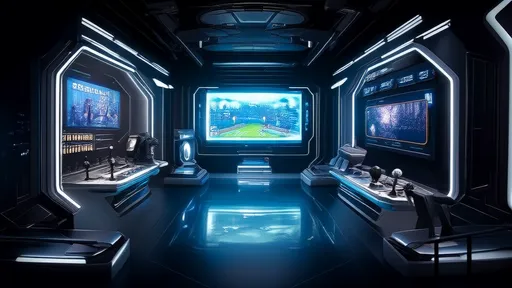
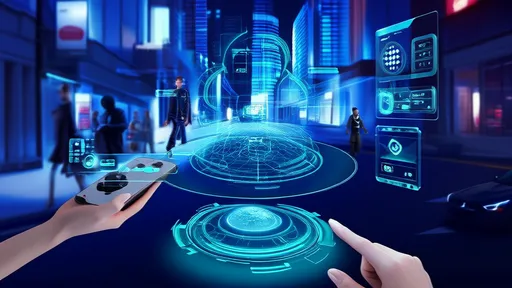
The core of this virtual museum lies in its use of powerful game development platforms like Unreal Engine or Unity. These engines, typically associated with creating the very games the museum celebrates, are repurposed to construct expansive, detailed environments. Visitors, represented by customizable avatars, can stroll through beautifully rendered halls dedicated to specific eras—from the stark, pixelated landscapes of the 1970s arcade to the photorealistic worlds of contemporary AAA titles. The environment itself is a testament to the technology it showcases, with lighting, physics, and sound design that create a deeply atmospheric and engaging experience.
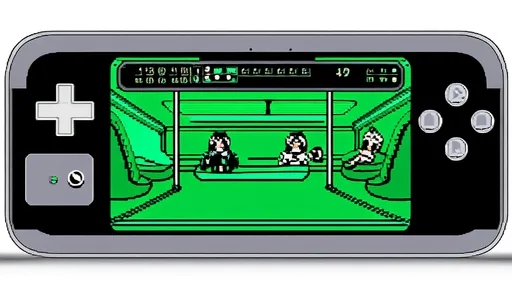
What truly sets this museum apart is its philosophy of interaction. This is not a "look but don't touch" establishment. Here, interaction is mandatory and is the primary method of learning. Instead of reading a placard about Pong, you can step up to a virtual cabinet and play a few rounds. A description of the Nintendo Entertainment System is replaced by a cozy, digitally recreated 1980s living room where you can pick up a controller and experience Super Mario Bros. for yourself. This hands-on approach transforms historical education from a passive reception of facts into an active, experiential discovery. You don't learn about the jump from 2D to 3D gaming; you physically walk your character from a side-scrolling zone into a fully three-dimensional world, feeling the monumental shift in perspective firsthand.
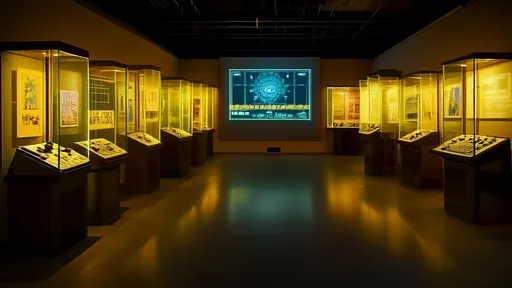
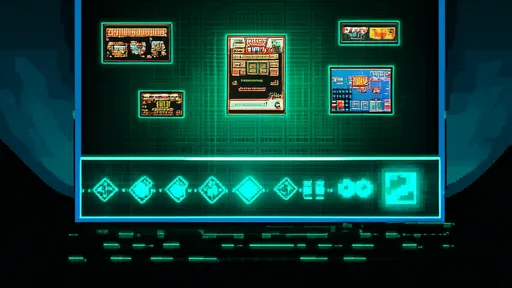
The curation of content is both vast and meticulously detailed. Each exhibit is a deep dive into its subject. A wing on game design might feature interactive flowcharts showing the evolution of a game's level design, which users can manipulate and change. An exhibit on sound design could allow you to isolate and layer the individual tracks of a classic game's soundtrack, hearing the bleeps and bloops transform into a complex orchestral score. For the hardware enthusiasts, there are explorable, to-scale models of iconic consoles, from the mammoth Magnavox Odyssey to the sleek PlayStation 5, many of which can be "disassembled" with a click to see their internal components and learn about their engineering.
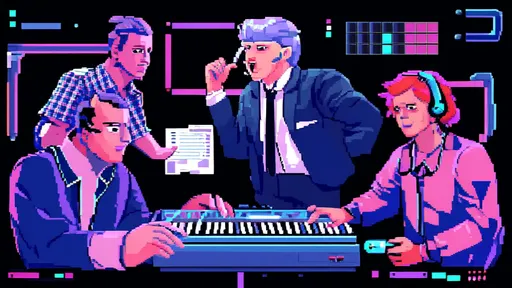
Beyond the mainstream, the museum also provides a crucial platform for preserving and showcasing the often-overlooked corners of gaming history. Dedicated sections celebrate the global impact of gaming, with exhibits on the distinct PC bang culture of South Korea, the visual novel phenomenon in Japan, and the booming mobile market in Southeast Asia. It also highlights the profound influence of the demoscene and the homebrew community, movements driven by passionate individuals whose technical artistry and creative ingenuity pushed hardware beyond its intended limits and laid the groundwork for independent game development.
The social dimension of the museum adds another layer of richness. Visitors can see and communicate with each other in real-time, sharing reactions as they explore. This fosters a sense of shared wonder and community, replicating the social experience of visiting a physical museum with friends. Imagine a group of avatars gathering around a rare prototype console, discussing its significance, or strangers bonding over a cooperative session of a forgotten arcade classic. This human element ensures that the museum is not just an archive, but a living, social space dedicated to collective memory and appreciation.
Perhaps one of the most significant advantages of this digital format is its dynamic nature. A physical museum exhibit is often static for years. In contrast, the virtual museum can be updated constantly. A new exhibit on a groundbreaking game can be launched mere weeks after its release. Temporary exhibits can rotate frequently, perhaps highlighting indie game gems one month and the art of video game box art the next. This ever-changing landscape encourages repeat visits and ensures the museum remains permanently relevant on the cutting edge of the industry it documents.
Furthermore, the project demonstrates a powerful commitment to preservation. As physical hardware degrades and software becomes incompatible with modern systems, we risk losing access to vast swathes of our digital heritage. Emulation has been a key tool, but this virtual museum integrates preservation directly into the experience. By recreating these games and systems within a modern engine, it future-proofs them, ensuring that generations to come will not just read about these cultural touchstones but will be able to truly experience them as they were meant to be played, long after the original hardware has turned to dust.
In conclusion, the Virtual Museum of Gaming History is far more than a novel tech demo. It represents a paradigm shift in how we engage with and preserve cultural history. By leveraging the immersive power of game engines, it breaks down the barriers between observer and artifact, between learning and doing. It is a testament to the artistry and innovation of the gaming industry, built using the very tools that industry created. This is not the end of physical museums, but rather the exciting birth of a new complementary medium—one that is boundless, interactive, and alive, offering a profound and deeply personal journey through the pixels and code that have shaped modern entertainment.
By /Aug 26, 2025
By /Aug 26, 2025

By /Aug 26, 2025

By /Aug 26, 2025

By /Aug 26, 2025

By /Aug 26, 2025
By /Aug 26, 2025

By /Aug 26, 2025
By /Aug 26, 2025

By /Aug 26, 2025
By /Aug 26, 2025
By /Aug 26, 2025
By /Aug 26, 2025

By /Aug 26, 2025

By /Aug 26, 2025
By /Aug 26, 2025
By /Aug 26, 2025
By /Aug 26, 2025
By /Aug 26, 2025
By /Aug 26, 2025
