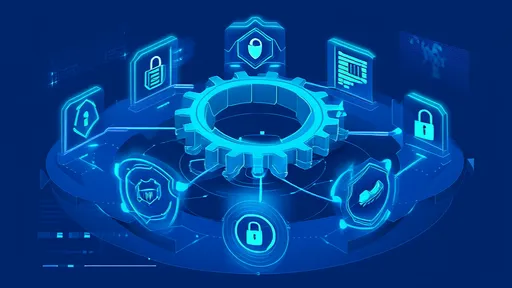
In the dynamic landscape of game development, where innovation and creativity drive progress, the integration of security measures has become an indispensable aspect of the production process. The concept of the Security Development Lifecycle, or SDL, provides a structured framework to embed security into every phase of game creation, from initial design to post-launch support. This approach ensures that security is not an afterthought but a foundational element, woven into the fabric of the development journey. By adopting SDL principles, game studios can mitigate risks, protect intellectual property, and safeguard user data, ultimately fostering trust and enhancing the player experience.
The inception of any game project begins with the planning and design phase, where ideas take shape and visions are articulated. Here, security considerations must be introduced early to establish a proactive stance. During this stage, teams should conduct threat modeling exercises to identify potential vulnerabilities and attack vectors specific to the game’s architecture and mechanics. This involves analyzing how data flows between components, assessing entry points for exploits, and anticipating malicious user behaviors. By integrating security requirements into the initial design documents and functional specifications, developers can avoid costly revisions later and build a resilient foundation. Moreover, defining security objectives and compliance standards at this juncture ensures alignment with industry regulations and player expectations, setting a clear roadmap for the entire team to follow.
As development progresses into the implementation phase, where code is written and assets are created, security practices must be rigorously applied. Developers should adhere to secure coding guidelines, which include validating inputs, sanitizing data, and avoiding common pitfalls like buffer overflows or injection attacks. Regular code reviews and pair programming sessions can help catch vulnerabilities early, while static analysis tools automate the detection of flaws in the source code. Additionally, protecting art, audio, and other proprietary content from unauthorized access or theft is crucial; encryption and access controls should be implemented to secure these assets. Training developers on the latest security threats and best practices empowers them to write safer code and contributes to a culture of security awareness within the studio.
Testing is a critical phase where security validation takes center stage, complementing traditional quality assurance efforts. Penetration testing, fuzz testing, and vulnerability scans should be performed to simulate real-world attacks and uncover weaknesses in the game’s client, server, and network layers. Ethical hackers or dedicated security testers can probe for issues such as cheat vulnerabilities, data leakage, or authentication bypasses, providing valuable insights before release. It’s essential to integrate these security tests into the continuous integration/continuous deployment (CI/CD) pipeline, allowing for automated and frequent assessments. Addressing findings promptly and iterating on fixes ensures that the game becomes more robust with each build, reducing the likelihood of security incidents post-launch.
Once the game is ready for release, the focus shifts to deployment and maintenance, but security efforts must not wane. Preparing a secure launch involves configuring servers, databases, and networking components to resist attacks, such as implementing firewalls, intrusion detection systems, and DDoS mitigation strategies. Monitoring tools should be set up to track anomalies, log security events, and respond to incidents in real-time. Post-release, maintaining vigilance through regular updates and patches is vital to address newly discovered vulnerabilities or evolving threats. Engaging with the player community for feedback and bug reports can also aid in identifying issues early, fostering a collaborative approach to security that benefits both developers and users.
In conclusion, embedding security throughout the game development lifecycle via the SDL framework is not merely a technical necessity but a strategic imperative. It demands a cultural shift where every team member, from designers to testers, embraces responsibility for security. By proactively addressing risks at each stage—design, implementation, testing, and maintenance—studios can deliver games that are not only entertaining but also secure and trustworthy. This holistic approach ultimately protects the studio’s reputation, ensures player satisfaction, and contributes to a safer gaming ecosystem for all.

By /Aug 26, 2025

By /Aug 26, 2025

By /Aug 26, 2025

By /Aug 26, 2025
By /Aug 26, 2025

By /Aug 26, 2025

By /Aug 26, 2025

By /Aug 26, 2025

By /Aug 26, 2025

By /Aug 26, 2025

By /Aug 26, 2025

By /Aug 26, 2025

By /Aug 26, 2025

By /Aug 26, 2025

By /Aug 26, 2025

By /Aug 26, 2025

By /Aug 26, 2025

By /Aug 26, 2025

By /Aug 26, 2025

By /Aug 26, 2025
